









Psychological Horror Tile Challenge Tips and Strategy-Psychological Horror Tile Challenge
Similar Games






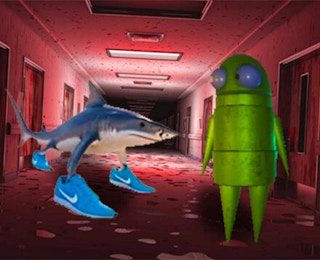


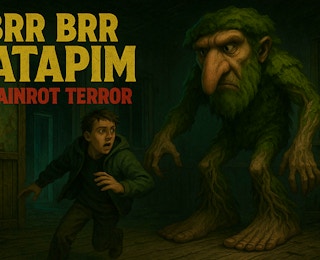

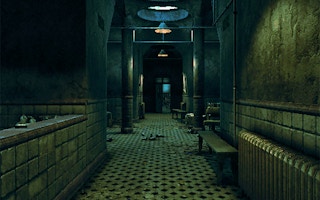



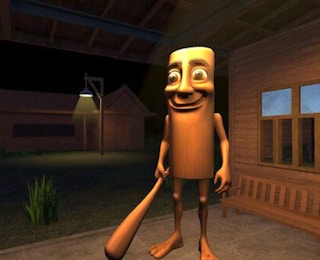


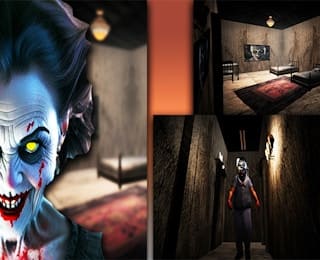



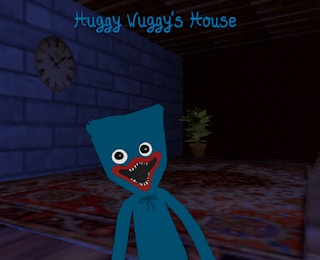






For new players, the best first habit is to slow down. Look at the finished image before moving tiles. Search for high-contrast details, facial features, objects, or borders that make a tile easy to identify. Work on one small region at a time, and keep a mental note of which tiles are already correct so you do not disturb them while chasing another piece.
A reliable strategy is to solve from the most recognizable parts outward. If a face, doorway, or bright shape is visible, assemble that area first. Then connect surrounding tiles using lines, shading, and edge continuation. When a tile seems close but not exact, compare its neighbors to the expected pattern rather than judging it alone. This reduces errors in horror images where many tiles share similar dark tones.
Observation matters as much as movement. Before each move, ask what the tile shows, where it likely belongs, and which other tiles must shift to make room. Planning a few moves ahead is especially useful when a correct tile is trapped near the edge of a solved section. If the image is hard to read, use completed sections as anchors and rebuild the less clear areas around them.
Improvement comes from repeated pattern recognition. Try to notice how edges, shadows, and textures connect between tiles. When you make a mistake, check whether the problem is a misplaced tile or a correct tile in the wrong relationship to its neighbors. Short, focused sessions can help you learn the visual style of the game without rushing through every grid.