


































Scary House Clown Evil Strategy Guide

Scary House Clown Evil Strategy Guide-Scary House Clown Evil

Scary House Clown Evil Strategy Guide

Similar Games

Strategy Guide

A strong strategy in Scary House Clown Evil is based on patience, observation, and route discipline. The game's description emphasizes sneaking and outsmarting the clown, so the best approach is usually to avoid direct confrontation rather than trying to race through the house.

1. Build a mental map

Each room may have different corridors, sightlines, and safe spaces. Before moving, scan the area for possible exits and paths that create distance from the clown. Remember which routes worked and which routes put you too close to danger.

2. Control your timing

Instead of moving continuously, use short bursts of movement when the clown is less threatening. If the clown is visible or close, wait until the situation changes. Timing is often more important than speed in a stealth horror game.

3. Use the room structure

The 50+ room structure means the game is divided into manageable segments. Focus on clearing one room at a time. Do not try to plan too far ahead; the immediate room is the only space you need to solve at any moment.

4. Adapt after failures

If you are caught in a specific room, note what happened. Did you move too early? Did you choose the wrong corridor? Did you ignore a visual cue? Adjust one variable at a time instead of changing your entire approach.

5. Stay calm under pressure

Horror games are designed to create panic. A calm player is more likely to notice the clown's position and choose a safer path. If you feel rushed, slow down and reassess before making another move.

Common Mistakes

  • Rushing the first room. Players often try to move quickly to test the game, but early mistakes can make the clown feel more dangerous than it is.
  • Ignoring visual cues. If the game shows the clown's position or hints at danger, looking away or moving blindly increases the chance of failure.
  • Using the same path every time. A route that worked once may not work again if the clown's position or timing changes.
  • Overestimating safe distance. In a horror stealth game, being close to the clown can become dangerous quickly. Keep a larger safety margin than feels necessary.
  • Forgetting room transitions. Moving from one room to the next can be the riskiest moment. Pause briefly at transitions and confirm the next space is safe.
  • Getting frustrated and playing randomly. Random movement rarely improves stealth. A failed attempt is more useful if you analyze what went wrong.

Gameplay Guide

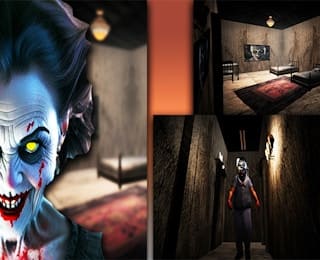
Scary House Clown Evil is best approached as a tense, room-based stealth experience. The gameplay loop is simple, but the horror presentation can make each room feel unpredictable.

Core loop

The core loop is to enter a room, observe the clown, move through the available corridors, and reach the next room. The game does not appear to be a complex action game; instead, it asks players to manage risk in a scary environment.

Stealth mindset

Think of the clown as a hazard to route around rather than an enemy to fight. The description says to outsmart the clown, which suggests that avoidance, timing, and observation are the main tools. If a path feels unsafe, do not force it.

Room-by-room play

Because the game includes 50+ rooms, progress can feel incremental. That is useful: each room is a small puzzle of movement and timing. When you clear a room, you gain a small sense of advancement and learn more about the house's layout.

Replay and improvement

If a room is difficult, replay it with a specific goal in mind. For example, try to learn the clown's position, test a different corridor, or improve your timing. Small improvements across many rooms can make the full 50+ room run feel much easier.