









Horror Metro Anomaly Features: Shifting Tunnels and Reality Loops-Horror Metro Anomaly: Subway Escape
Similar Games


































The Shifting Tunnel System Explained
The shifting tunnel system is the core gameplay mechanic of Horror Metro Anomaly: Subway Escape. It transforms a standard subway escape room into a dynamic, ever-changing labyrinth. This section provides a detailed breakdown of how the system works and why it is so effective in creating a compelling horror experience.
Dynamic Environment Generation
Unlike static mazes, the shifting tunnel system uses dynamic generation to alter the subway layout. This can be achieved through various game design techniques, including hand-crafted level transitions, procedural generation, or state-based logic. In Subway Escape, the shifts are likely tied to the game's narrative and the player's progress through the reality loops.
Player Adaptation and Skill Curve
The shifting system creates a steep but rewarding skill curve. Beginners will struggle with the unpredictable layout, leading to frustration and a sense of helplessness—key components of horror. As players advance, they learn to read the environment, anticipate shifts, and navigate the tunnels with confidence. This progression from confusion to mastery is highly satisfying and keeps players engaged.
Replayability
Because the tunnels shift, no two playthroughs are exactly the same. Even if you remember the solution to a specific puzzle, the environment may have changed, requiring you to re-evaluate your approach. This inherent replayability is a major feature of the game, encouraging players to return to the subway system to test their skills and discover new paths.
Reality-Bending Loops: Lore and Mechanics
One of the most unique features of Horror Metro Anomaly: Subway Escape is the inclusion of 7+ reality-bending loops. This mechanic goes beyond simple level progression, creating a narrative and gameplay experience that blurs the line between reality and illusion.
What are the Reality Loops?
In the context of the game, a "reality loop" is a distinct layer or iteration of the subway system. When you "beat" a loop, you do not simply move to the next level; you transition into a new reality where the subway has been altered. These alterations are not just visual; they affect the puzzles, the layout, and the overall atmosphere of the game.
Escalating Tension
The loop system is designed to escalate tension. Loop 1 is relatively straightforward, introducing the player to the shifting mechanics. As you progress to Loops 2, 3, and beyond, the shifts become more frequent, the puzzles become more complex, and the horror elements become more pronounced. By Loop 7, the player is expected to have a complete understanding of the game's mechanics, making the final escape a test of total mastery.
Narrative Integration
The reality loops are deeply integrated into the game's horror narrative. The shifting tunnels and recurring realities suggest that the player is trapped in a psychological anomaly, a loop of madness that cannot be easily broken. This narrative framing elevates the game from a simple puzzle experience to a psychological horror journey, making the final escape feel truly earned and significant.
Psychological Horror Elements in the Subway
Horror Metro Anomaly: Subway Escape relies heavily on psychological horror rather than traditional gore or jump scares. The game creates a sense of dread and unease through its atmosphere, environment, and gameplay mechanics. Understanding these elements can help players fully immerse themselves in the experience.
Isolation and Claustrophobia
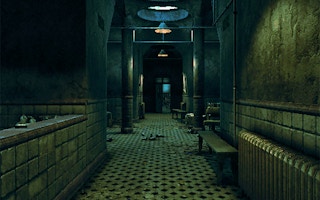
The subway setting is inherently claustrophobic. The narrow tunnels, dim lighting, and enclosed spaces create a sense of isolation. When combined with the shifting tunnels, this claustrophobia is amplified. Players are trapped in an environment that is actively changing against them, leading to a feeling of helplessness and paranoia.
Uncanny Valley and Familiarity
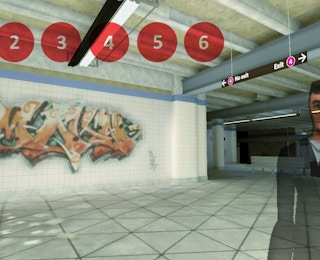
The game uses familiar, everyday elements—subway tiles, exit signs, graffiti—and makes them unsettling. The shifting layout disrupts the player's spatial awareness, creating a sense of the uncanny. A hallway that should lead to the exit might suddenly twist into a dead end. This subversion of expectations is a core tenet of psychological horror.
Visual and Audio Cues
While the provided information does not detail specific audio cues, the visual elements are crucial. The faded graffiti, the glowing red numbered circles, and the stark exit signs all contribute to the game's visual language. Players must learn to read these cues, and the game often uses them to mislead or warn. The interplay of light and shadow in the subway station adds to the overall atmosphere, hiding potential threats and guiding the player's focus.